• info@alshakersteel.com
  • +201094746718

Hrpo hot rolled pickled and oil stee

Hrpo hot rolled pickled and oil steel

HRPO Steel: Strength Refined, Quality Defined

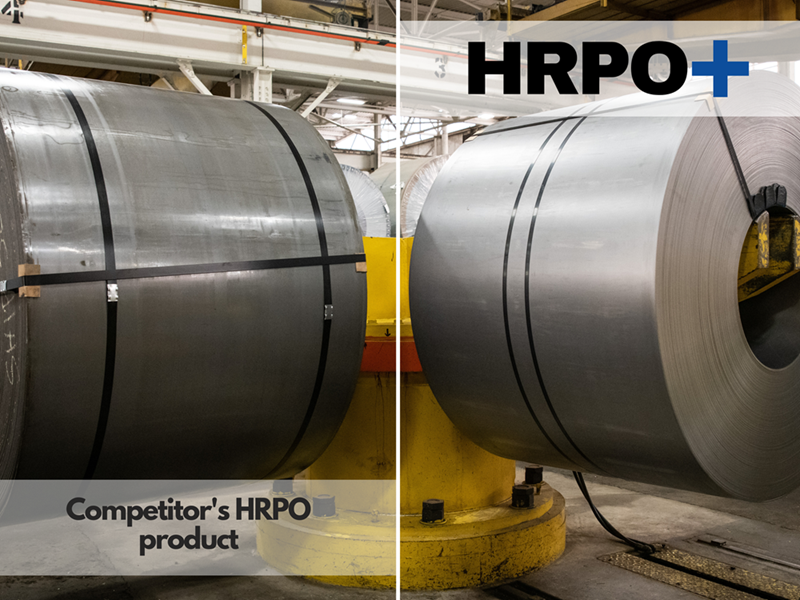
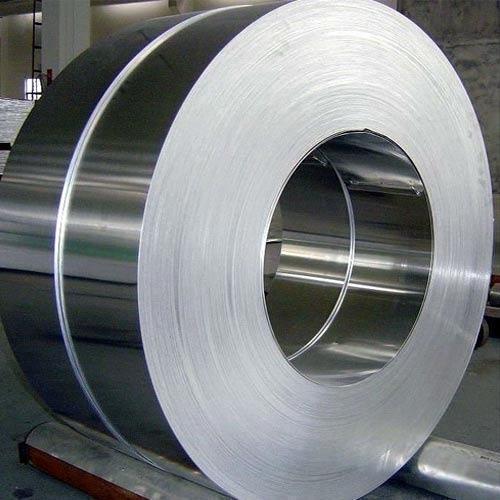
HRPO (Hot Rolled Pickled and Oiled) steel is a high-quality material that combines the strength of hot-rolled steel with the added protection of pickling and oiling processes. The steel is first hot-rolled to achieve the desired thickness and shape, then pickled to remove scale and impurities from the surface, followed by oiling to protect it from rust and corrosion. This process results in a smooth, clean surface with excellent formability and superior resistance to environmental factors. HRPO steel is widely used in industries such as automotive, construction, and manufacturing, where its superior finish and enhanced corrosion resistance are crucial for ensuring long-lasting performance and structural integrity. With a production capacity of 500,000 tons per year, this steel is available in thicknesses ranging from 0.7 to 4 mm, with widths of 750, 900, 1000, 1250, and 1300 mm, and coil weights of up to 30 tons per coil.
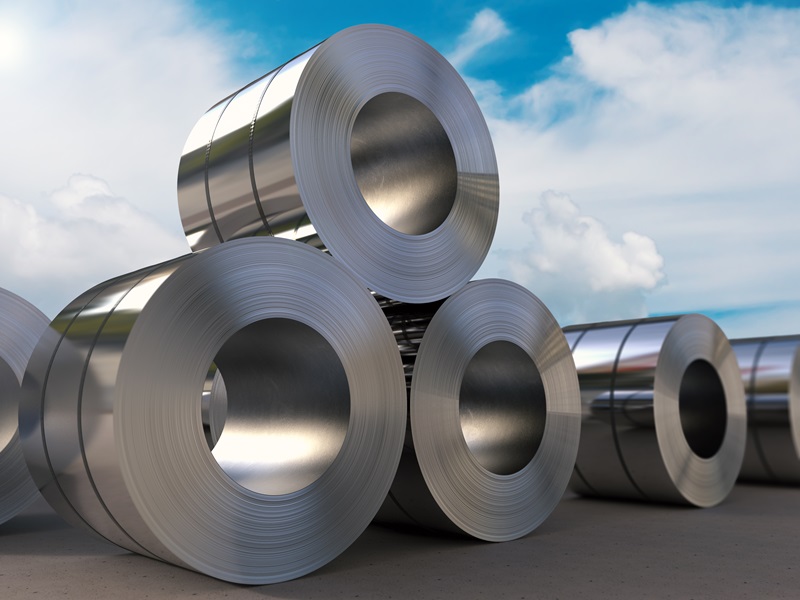
Galary for HRPO

HRPO Steel

HRPO Steel: Precision, Protection, and Performance in Every Roll

Steps to create HRPO Steel

Hot Rolling
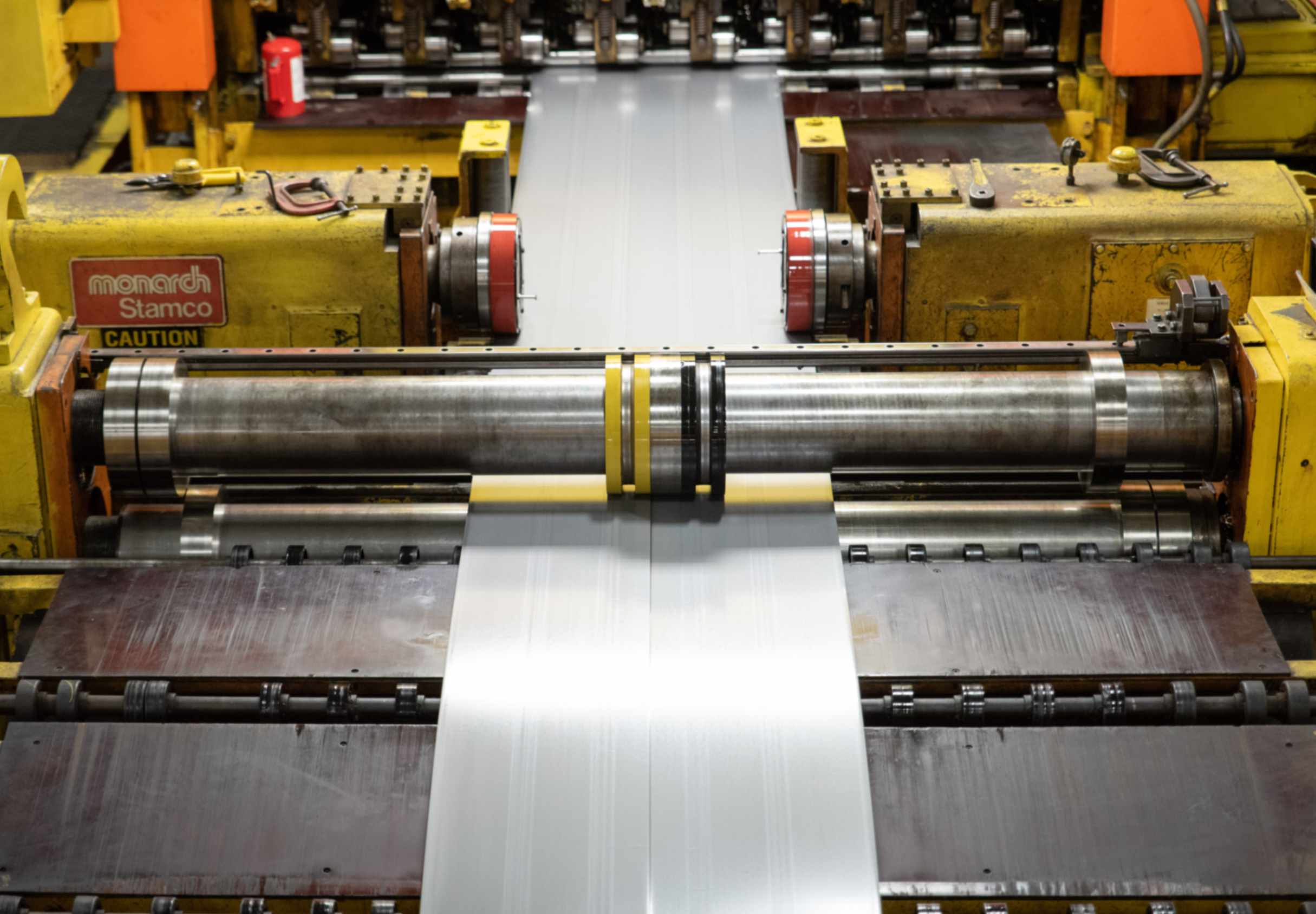
Heating: Steel billets or slabs are heated to high temperatures (usually between 1,100°C and 1,250°C) in a furnace to make them malleable. Rolling: The heated steel is passed through a series of rollers to reduce its thickness and shape it into a flat sheet or coil. This process also refines the steel's grain structure and makes it easier to form into various shapes.
Pickling
Cleaning: After hot rolling, the steel surface is coated with a layer of scale, which is primarily made of iron oxide. The pickling process involves immersing the steel in a bath of diluted hydrochloric acid (or another acidic solution) to remove this oxide scale and other impurities. Rinsing: The steel is then thoroughly rinsed with water to remove any remaining acid and contaminants from the surface.
Oiling
Application of Oil: After pickling, the steel’s surface is coated with a light layer of oil. This oil acts as a corrosion inhibitor, protecting the steel from rust and other forms of environmental damage during transportation and storage. Drying: The oil is allowed to settle and dry, ensuring an even, consistent coating.
Coiling or Cutting
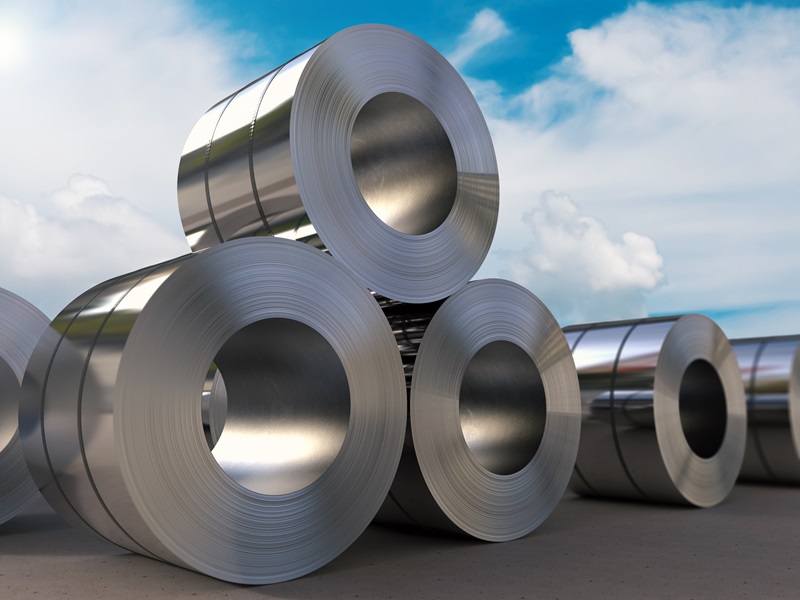
Coiling: The steel is either rolled into large coils or stacked, depending on the specific requirements. Cutting (if required): For specific applications, the steel may be cut into flat sheets or smaller sections according to the desired dimensions.
Quality Control and Inspection
Surface Inspection: The steel is inspected for defects, such as pitting, surface irregularities, or inconsistencies in the oil coating. Thickness and Tension Testing: The steel is also checked for uniformity in thickness and mechanical properties like strength and flexibility.
Packaging and Shipping
Packaging: The finished HRPO steel is carefully packaged, often in coils, to prevent damage during transportation. Shipping: The product is then ready to be shipped to customers in industries such as automotive, construction, and manufacturing.
Previous
Next