


Cr cold roled steel coils
Cr cold roled steel coils
CR Cold Rolled Steel Coils: Precision, Strength, and Enduring Quality
CR (Cold Rolled) steel coils are high-quality, precision-engineered materials produced by further processing hot-rolled steel at room temperature. In the cold rolling process, the steel is passed through rollers to reduce its thickness and improve its surface finish, resulting in a smooth, shiny, and uniform surface. Cold Rolled steel coils offer superior dimensional accuracy, better mechanical properties, and a higher level of strength compared to hot-rolled steel. They are ideal for applications that require tight tolerances and smooth surfaces, such as automotive components, appliances, and construction materials. With excellent formability, durability, and resistance to corrosion, CR Cold Rolled steel coils are the go-to choice for manufacturers seeking a versatile and high-performance material. Available in thicknesses ranging from 0.15 to 3 mm and widths of 700, 900, 1000, 1250, and 1300 mm, CR steel coils are produced in grades such as DC01, DC03, DC04, and DC05, meeting the diverse needs of various industries.

Galary for Cr cold roled steel coils
Cr cold roled steel coils
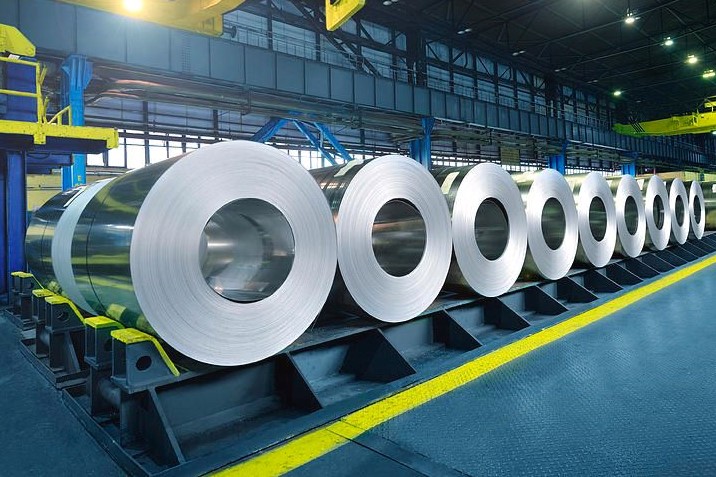
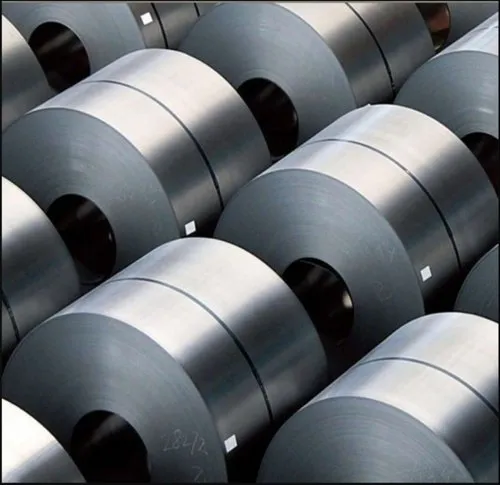
Cr cold roled steel coils
Steps to create Cr cold roled steel coils
Starting with Hot Rolled Steel
Hot Rolling: The process begins with hot-rolled steel coils, which are produced by heating steel slabs to high temperatures (around 1,100°C) and passing them through rollers to reduce thickness and shape the steel into a rough coil.
Cooling: After hot rolling, the steel coils are cooled to room temperature before entering the cold rolling process.
Cleaning and Surface Preparation
Pickling: The surface of the hot-rolled coils is typically covered with scale (iron oxide) from the heating process. To prepare the steel for cold rolling, the coils are immersed in a pickling solution, usually a diluted hydrochloric acid bath, to remove the oxide layer and other impurities.
Rinsing: The steel is thoroughly rinsed with water to remove any remaining acid and contaminants.
Cold Rolling
Cold Rolling Mill: The pickled steel coils are then fed into a cold rolling mill, where they are passed through a series of rollers at room temperature. This process reduces the thickness of the steel while improving its surface finish, making it smooth and uniform.
Strain Hardening: As the steel is cold-rolled, it undergoes strain hardening, which increases its strength and hardness. The steel also becomes more rigid and less ductile.
Thickness Control: The cold rolling process ensures precise control over the steel's thickness, producing coils that meet strict dimensional tolerances.
Annealing (Optional)
Reannealing (if required): In some cases, the cold-rolled steel may be annealed (heated to a specific temperature and then cooled) to relieve internal stresses, improve ductility, or control the steel’s mechanical properties. This step is optional, depending on the specific requirements for the final product.
Continuous Annealing: This can also be done using a continuous annealing process for consistent control over mechanical properties and surface quality.
Skin Pass (Optional)
Skin Passing: Some steel coils undergo a final “skin pass” or “skin pass rolling,” which is a light pass through the rollers to improve surface finish, remove minor surface imperfections, and ensure a smooth and shiny surface finish.
Coiling and Cooling
Coiling: After cold rolling (and any optional annealing or skin passing), the steel is wound into tight coils. The coils are typically wound in a controlled manner to avoid damage during coiling.
Cooling: The coils are allowed to cool to room temperature, ensuring they retain their improved mechanical properties and finish.
Surface Inspection and Quality Control
Visual Inspection: The coils are carefully inspected for any defects such as scratches, dents, or surface irregularities.
Thickness and Flatness Testing: The coils are checked for uniformity in thickness and flatness, ensuring they meet specified tolerances.
Mechanical Testing: Tensile strength, yield strength, and elongation tests may be performed to ensure the steel has the desired mechanical properties for its intended application.
Packaging and Shipping
Packaging: The finished cold-rolled steel coils are carefully packaged to prevent damage during transport. They are usually wrapped in protective layers to ensure the surface remains free from contaminants.
Shipping: The coils are ready for shipment to manufacturers who use them in applications like automotive, appliances, construction, and other industries that require high-strength, precision materials.
Previous
Next