


Cold rolled full hard
Cold rolled full hard
Cold Rolled Full Hard: Unyielding Strength, Precision Performance
Cold Rolled Full Hard steel is a high-strength, precision-engineered material produced by further processing cold-rolled steel to its maximum hardness. This steel undergoes a cold rolling process at room temperature, where it is passed through rollers to reduce its thickness and increase its strength. The “full hard” designation indicates that the steel has been rolled to the point of achieving maximum hardness, making it significantly stronger and more rigid than other types of cold-rolled steel. It has a smooth, uniform surface and is typically used in applications that require high strength and durability, such as automotive components, heavy-duty machinery, and appliances. With excellent resistance to deformation and outstanding tensile strength, Cold Rolled Full Hard steel is ideal for products that demand precision, toughness, and a durable finish. Available in thicknesses ranging from 0.15 to 2 mm and widths of 700 to 1300 mm, this steel is engineered to meet the highest standards for demanding industrial applications.

Galary for Cold rolled
Cold rolled Steel
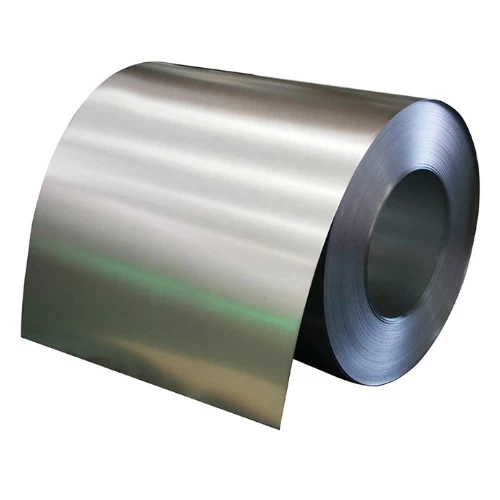
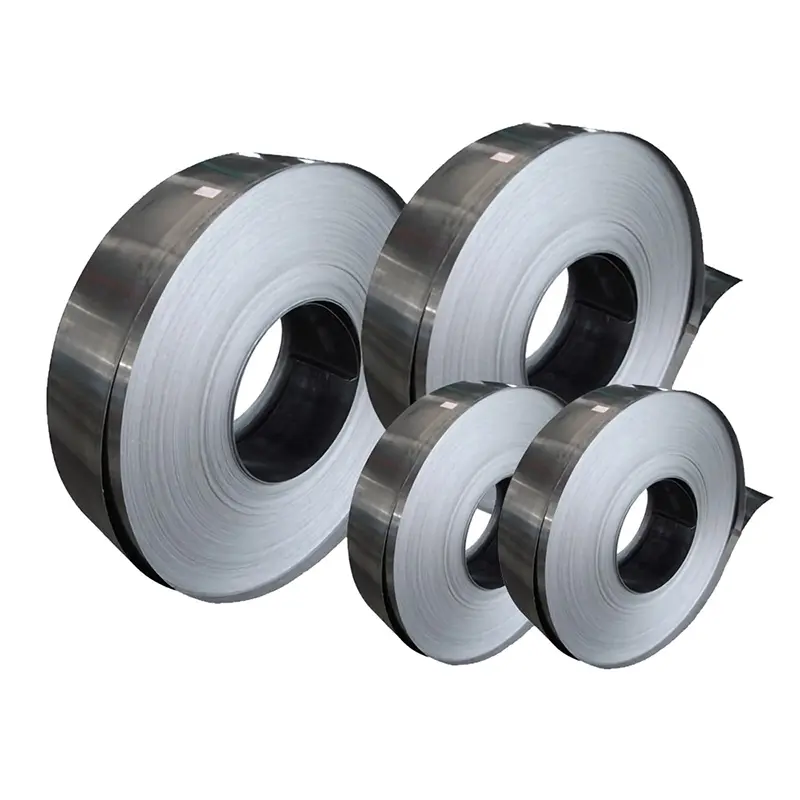
Cold Rolled Full Hard: Strength that Stands the Test of Time.
Steps to create Cold Rolled Full Hard
Starting with Hot Rolled Steel
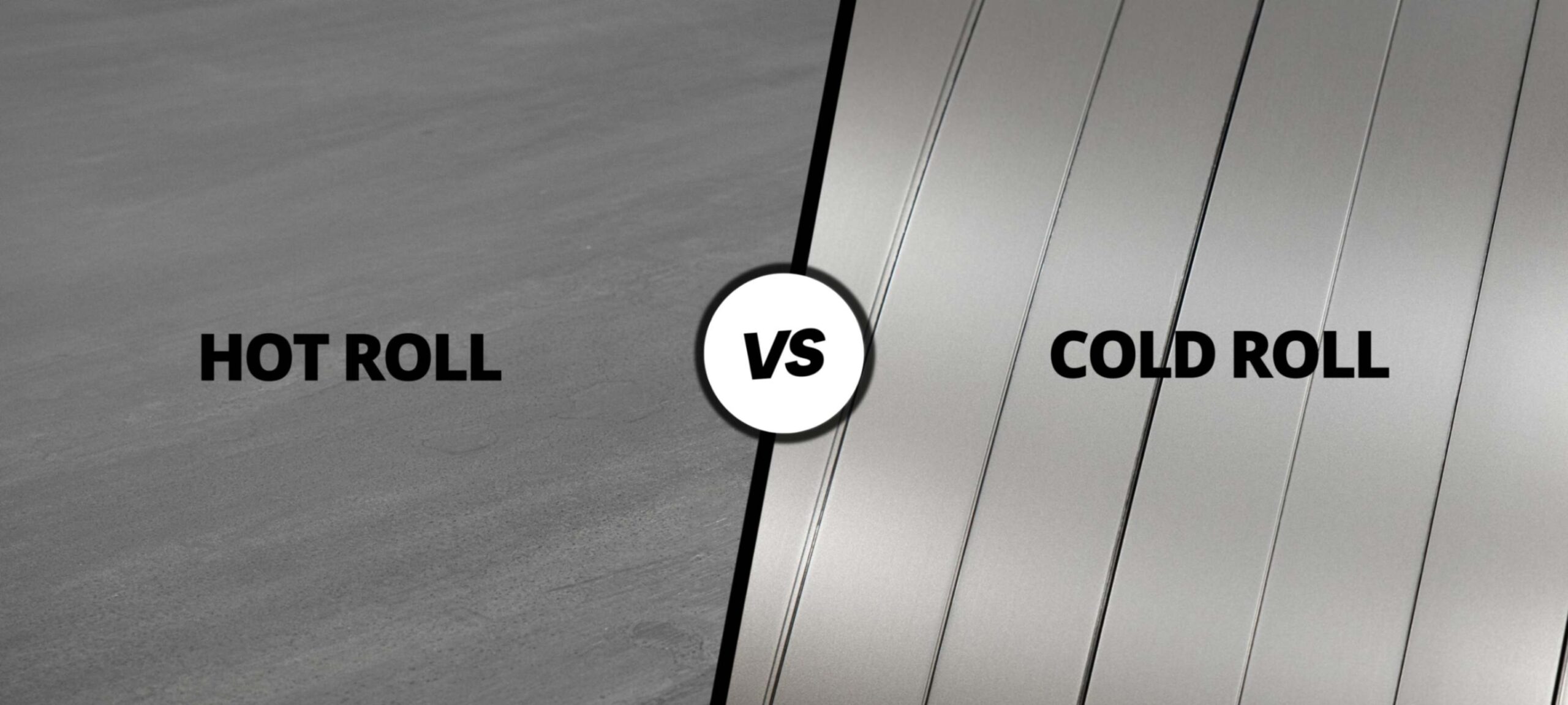
The process begins with hot-rolled steel coils that have already been processed through the hot rolling stage. These coils have a rough surface and relatively low strength, making them unsuitable for many high-performance applications.
Cold Rolling
Cooling: The hot-rolled coils are cooled to room temperature to prepare them for cold rolling.
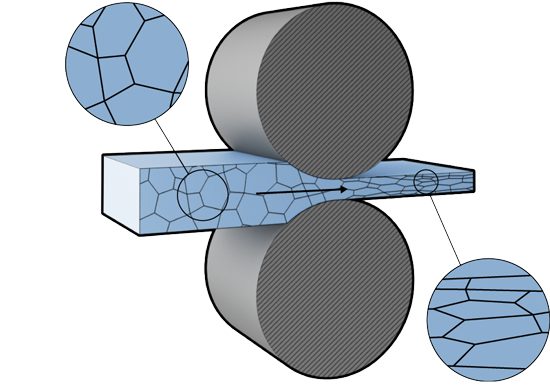
Passing Through Rollers: The cooled steel is then passed through a series of rollers in a cold rolling mill. This process reduces the thickness of the steel while improving its surface finish and dimensional accuracy. As the steel is rolled at room temperature, it hardens due to strain hardening, increasing its strength and hardness.
Thickness Reduction: Cold rolling reduces the steel to the desired thickness and smoothes the surface, resulting in a uniform, shiny finish.
Annealing (Optional for Control of Hardness)
Reheating (if needed): In some cases, the cold-rolled steel may be annealed (heated to a specific temperature and then cooled) to control the hardness and improve its mechanical properties. However, in the production of full hard steel, this step is typically not done or is minimized to maintain the steel’s maximum hardness.
Full Hardening Process
Maximum Hardness: For Cold Rolled Full Hard steel, the rolling process is carried out to the point where the steel achieves its maximum hardness. The material is rolled to such an extent that it reaches a very high tensile strength, making it rigid and less ductile.
Strain Hardening: The cold working process induces strain hardening, making the steel stronger and less prone to deformation. This results in steel that is tough, with a very high yield strength and minimal elongation.
Coiling and Cooling
Coiling: After cold rolling, the full hard steel is coiled into large rolls for easier handling and shipping. The coils are often quite tightly wound due to the increased hardness of the material.
Cooling: The steel is allowed to cool to room temperature.Strain Hardening: The cold working process induces strain hardening, making the steel stronger and less prone to deformation. This results in steel that is tough, with a very high yield strength and minimal elongation.
Surface Inspection and Quality Control
Visual Inspection: The steel is carefully inspected for surface defects such as scratches, indentations, or imperfections. Full hard steel must have a smooth, consistent surface.
Mechanical Testing: Tests are performed to ensure the steel has achieved the desired hardness and tensile strength. This might include tests for hardness, elongation, and yield strength.
Thickness and Flatness Checks: Ensuring that the steel is uniform in thickness and has a flat surface is critical for ensuring performance in applications.
Packaging and Shipping
Packaging: The cold-rolled full hard steel coils are packaged for shipping, ensuring they are protected from damage during transport.
Shipping: The final product is then ready to be delivered to manufacturers for use in industries that demand high-strength materials, such as automotive, machinery, and construction.
Previous
Next