• info@alshakersteel.com
  • +201094746718

Beam Steel

Beam Steel

Beam Steel: The Backbone of Strength and Stability

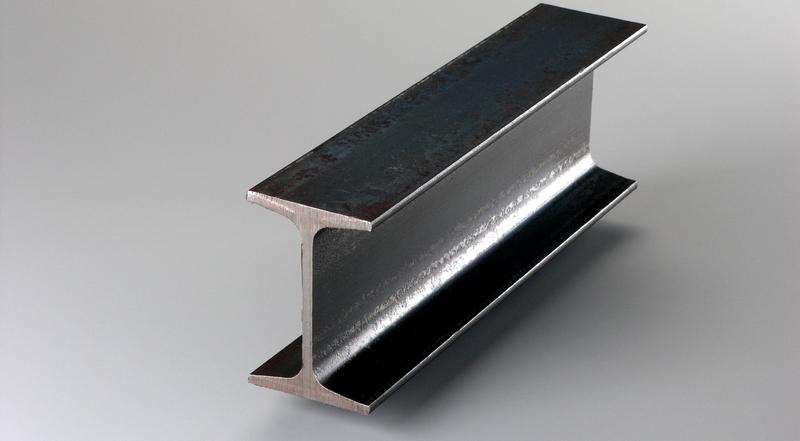
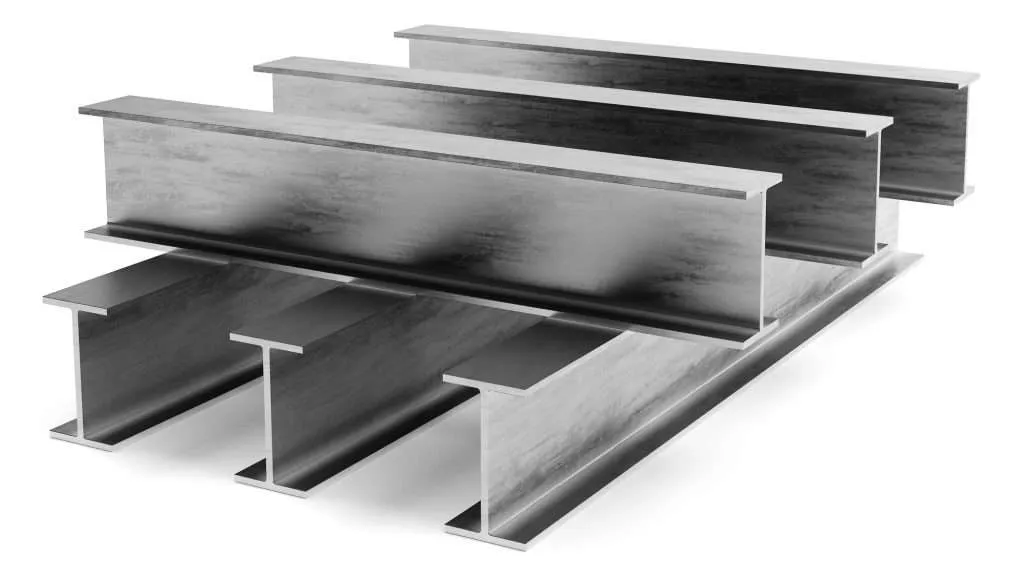
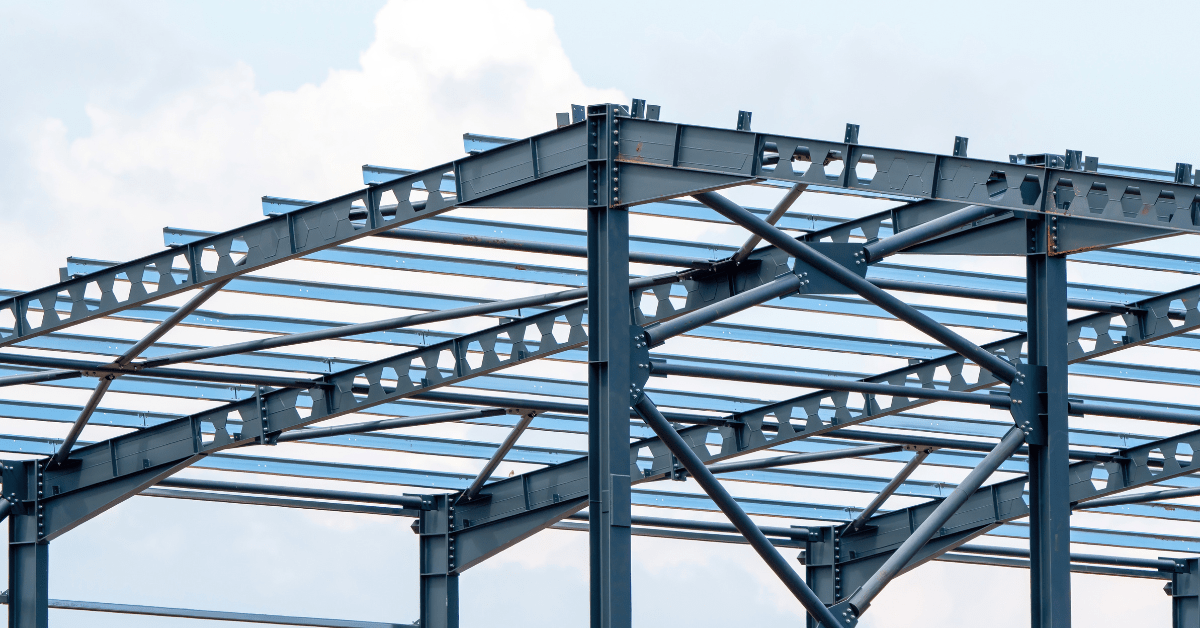
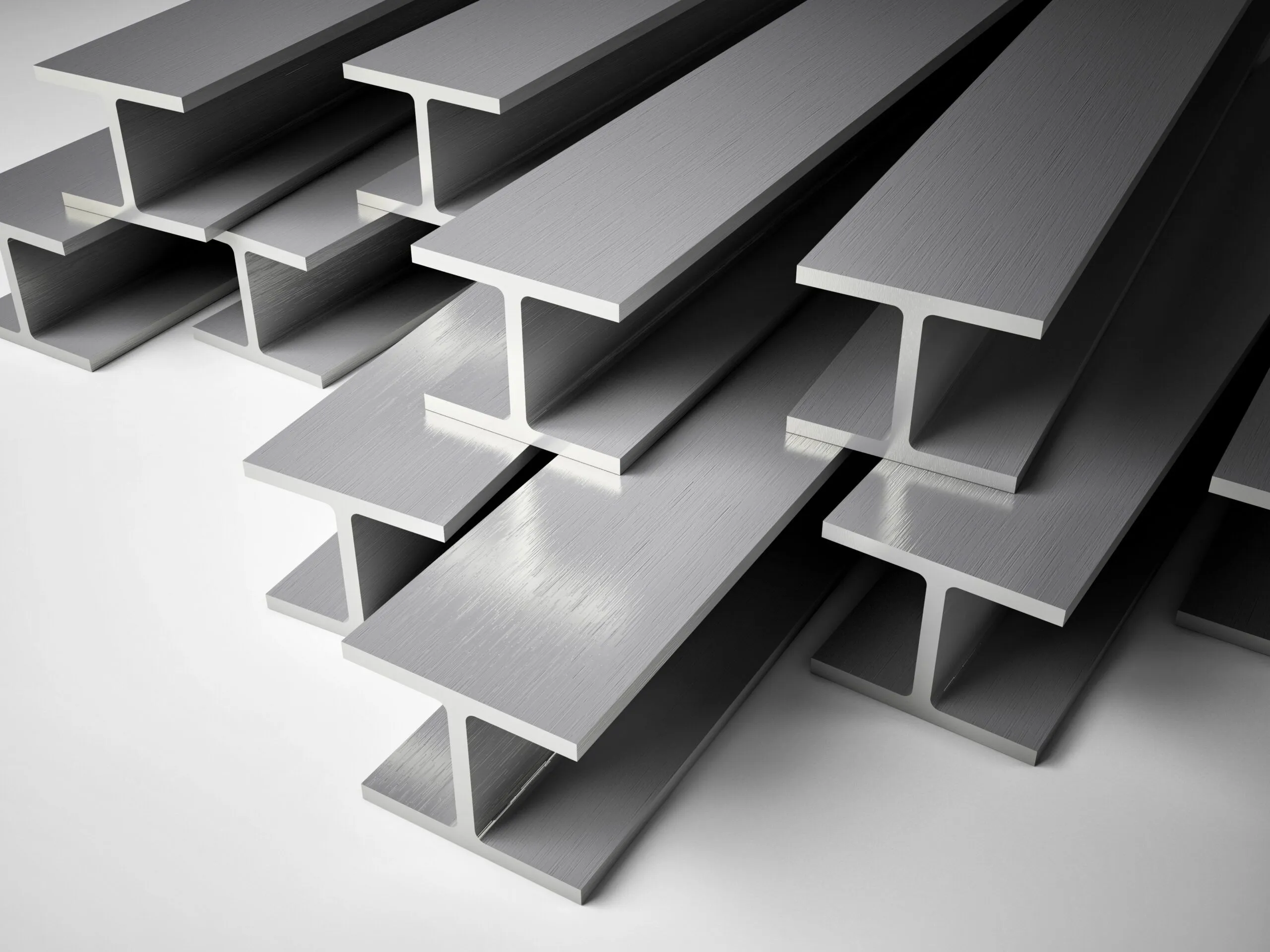
Beam Steel is a fundamental building material renowned for its exceptional strength, durability, and load-bearing capacity. Engineered in various shapes such as I-beams, H-beams, and T-beams, it is designed to provide structural support and stability in construction projects. Beam Steel is commonly used in buildings, bridges, and industrial structures, where it distributes weight evenly and withstands heavy loads. Its versatility, combined with resistance to bending and deformation, makes it an indispensable choice for architects and engineers. Whether used in residential, commercial, or industrial applications, Beam Steel ensures safety, reliability, and longevity in every project. Available in IPE sizes ranging from 80 to 550 (IPE 80, 100, 120, 140, 160, 180, 200, 220, 240, 270, 300, 330, 360, 400, 450, 500, 550), Beam Steel offers a broad range of options to meet the specific needs of any construction or engineering project.

Galary for Beam Steel

Beam Steel

Beam Steel: The Backbone of Strength and Stability

Steps to create Beam Steel

Raw Material Preparation
Iron Ore and Scrap Steel: Steel production starts with raw materials like iron ore, coke, and limestone or recycled scrap steel. Melting in Blast Furnace: These materials are melted in a blast furnace to produce molten iron, which is further processed into steel.
Steelmaking
Basic Oxygen Furnace (BOF) or Electric Arc Furnace (EAF): Molten iron is refined in a BOF or EAF to remove impurities and add alloying elements (like carbon, manganese, and silicon) to achieve the desired steel composition. Deoxidation and Casting: The liquid steel is treated to remove oxygen and other gases, then cast into large rectangular blocks called blooms.
Shaping the Steel
Heating the Blooms: The steel blooms are reheated in a furnace to make them malleable for shaping. Rolling Process: The heated blooms are passed through a series of rolling mills that reduce their size and shape them into long, uniform sections. This step forms the basic structure of the beam, such as an I-beam or H-beam.
Forming the Beam Shape
Profile Rolling: Specialized rolling mills with specific dies shape the steel into the required beam profile (e.g., I, H, or T shapes). Continuous Rolling: In some cases, the beam is shaped continuously to achieve the precise dimensions and uniformity.
Cooling and Cutting
Cooling: The shaped beams are cooled slowly to ensure they retain their mechanical properties and structural integrity. Cutting to Length: Once cooled, the beams are cut to the desired lengths using automated saws or torches.
Heat Treatment (Optional)
Normalizing or Quenching: Some beams undergo heat treatments like normalizing or quenching to improve their strength, toughness, or ductility.
Quality Control
Dimensional Testing: The beams are checked for dimensional accuracy, including flange width, web thickness, and overall length. Non-Destructive Testing: Techniques like ultrasonic or magnetic particle testing ensure there are no internal defects or cracks. Load Testing: Beams may be tested for their load-bearing capacity to ensure they meet structural requirements.
Surface Treatment (Optional)
Galvanizing: Beams can be coated with zinc to protect against corrosion. Painting or Coating: A protective paint or primer may be applied for aesthetic purposes or additional durability.
Packaging and Shipping
Stacking and Labeling: Finished beams are stacked and labeled according to size, type, and order specifications. Transport: The beams are shipped to construction sites, warehouses, or fabricators for use in building and structural applications.
Previous
Next