• info@alshakersteel.com
  • +201094746718

Plates Steel

Plates Steel

Plate Steel: Power, Precision, and Performance in Every Sheet

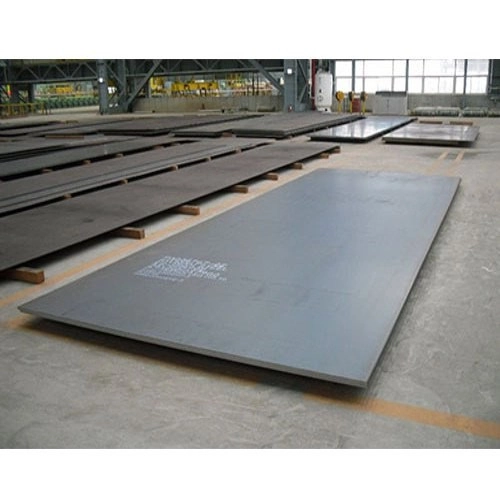
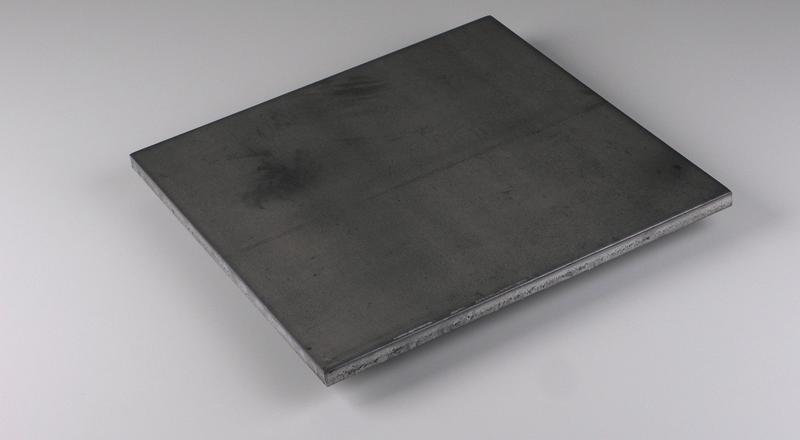
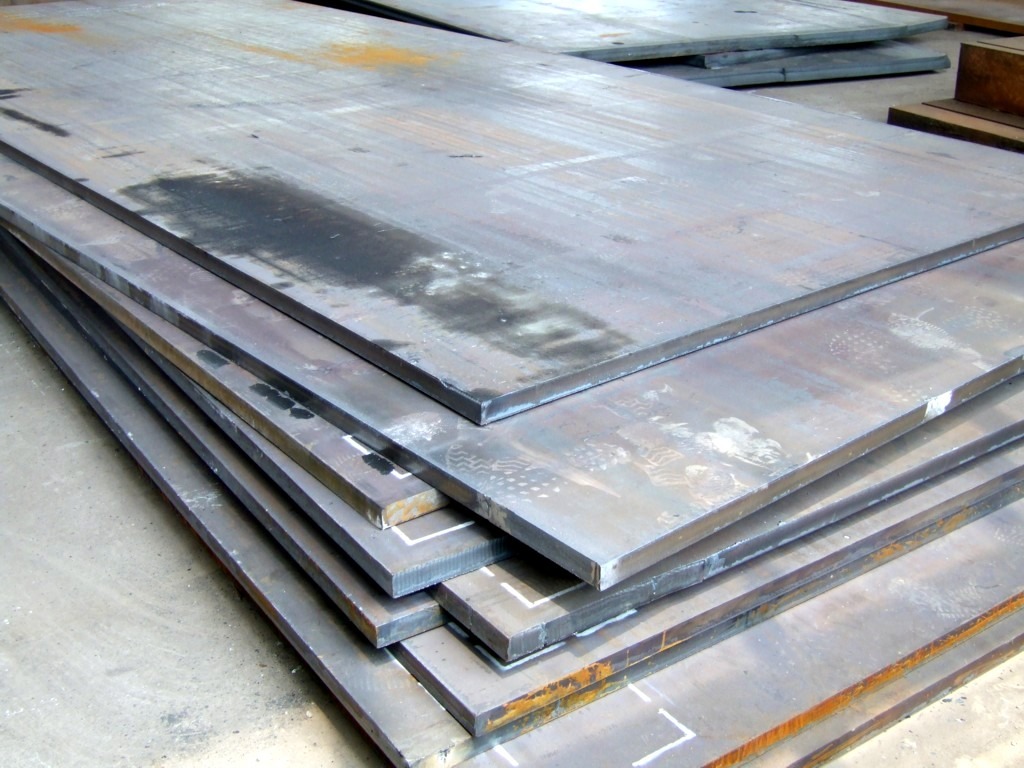
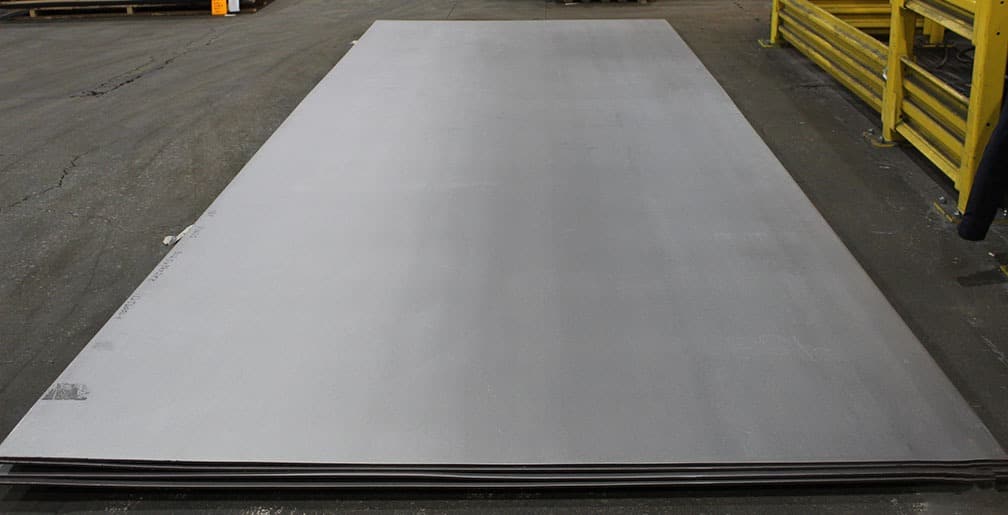
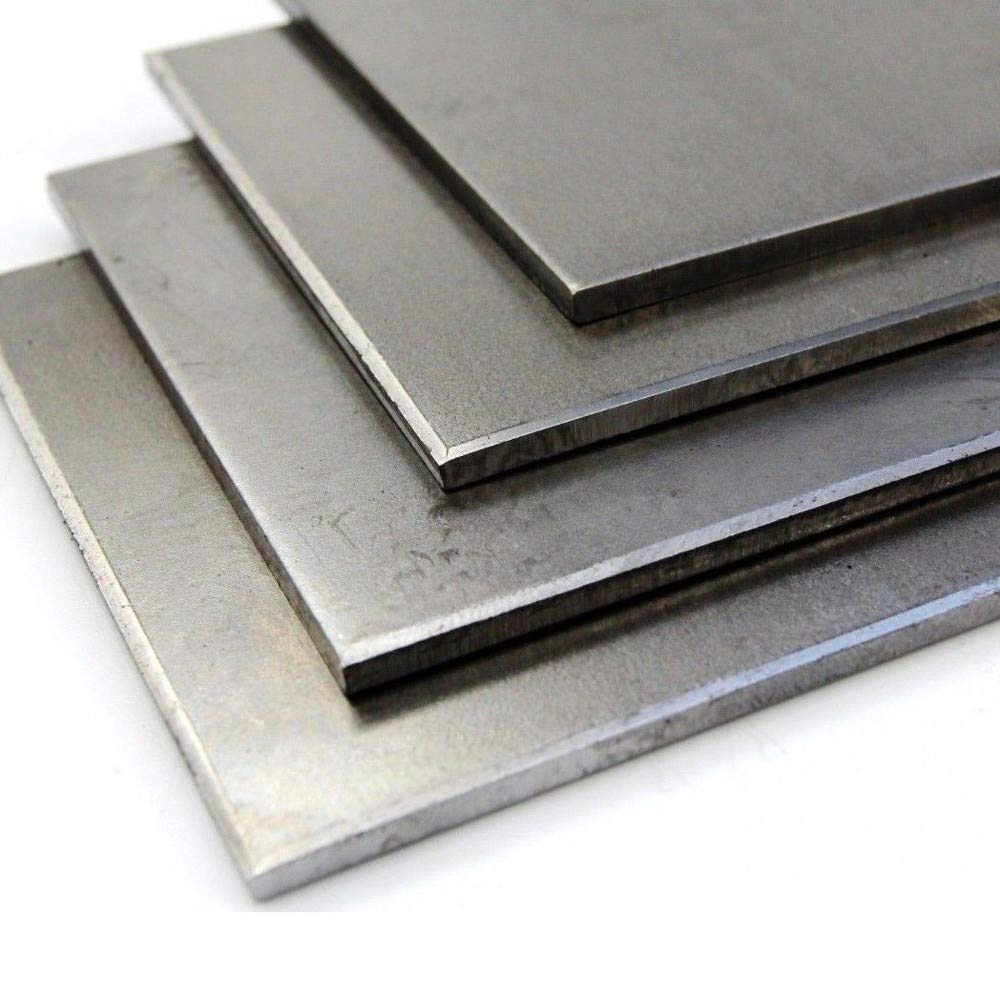
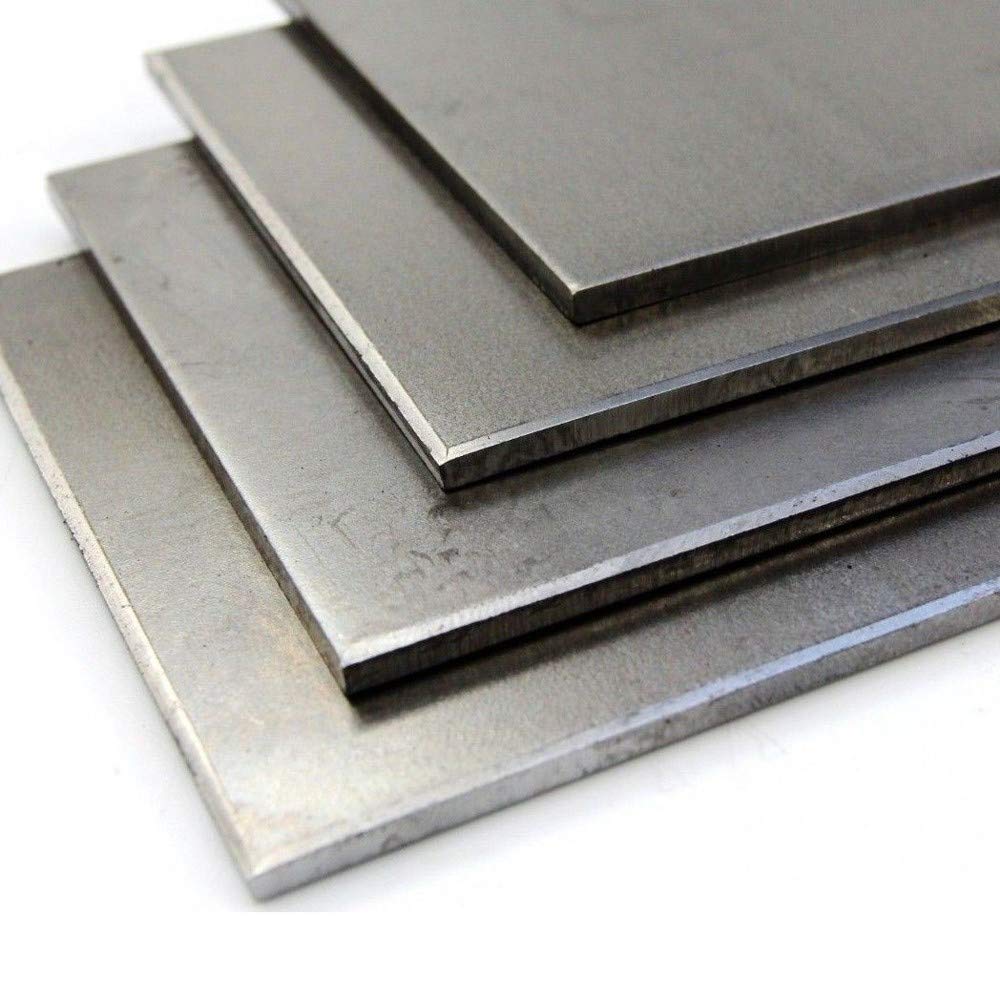
HR (Hot Rolled) Steel Plates are high-quality, durable materials designed for heavy-duty applications across various industries. With thicknesses ranging from 6 mm to 100 mm and widths of 2500 x 12000 mm, these plates offer versatility in construction, manufacturing, and engineering projects. HR steel plates are known for their excellent strength, formability, and toughness, making them ideal for use in industries such as construction, shipbuilding, automotive, and heavy machinery. These plates are produced through a hot rolling process, ensuring consistent quality and performance even under extreme conditions. Whether used for structural components, pressure vessels, or heavy equipment, HR steel plates deliver outstanding reliability and durability.
Galary for Plates Steel

Plates Steel

Plate Steel: Power, Precision, and Performance in Every Sheet

Steps to create Plates Steel

Raw Material Preparation
Steelmaking: The first step involves melting raw materials such as iron ore, scrap metal, and coal in a blast furnace or electric arc furnace (EAF) to produce molten steel. Refining: The molten steel is then refined to remove impurities and adjust its chemical composition to meet specific requirements such as strength, hardness, and ductility.
Casting
Continuous Casting: The refined molten steel is cast into semi-finished shapes like slabs, which are the basic starting material for plate steel. These slabs are typically large and rectangular, ready for further rolling.
Reheating
Reheating Furnace: The steel slabs are heated in a furnace to a high temperature (around 1200-1300°C) to make the material malleable and suitable for rolling into plates.
Hot Rolling
Rough Rolling: The heated steel slabs are passed through large rollers in a rough rolling mill to reduce their thickness and shape them into a more uniform size. This stage involves significant deformation of the steel to achieve the desired thickness. Finish Rolling: The steel is then sent through finish rolling mills, where rollers refine the plate's thickness to the specified measurements. The thickness of the steel plates can range from 6 mm to 100 mm, depending on the order.
Cooling
Controlled Cooling: After rolling, the plates are cooled in a controlled environment. The cooling rate is carefully controlled to ensure the desired properties of the steel, such as strength and toughness, are achieved.
Cutting to Size
Cutting: The large, rolled plates are then cut to the required dimensions. This step involves cutting the plates into smaller sizes, often with widths of up to 2500 mm and lengths of up to 12000 mm, to meet customer specifications or industry standards.
Straightening
Straightening: The rolled plates may not be perfectly flat, so they are passed through a straightening machine to correct any warping or bending that occurred during the rolling process. This ensures the plates meet quality standards for dimensional accuracy and flatness.
Surface Treatment
Descaling: After rolling and cooling, the plates may have a layer of scale (oxide layer) on the surface. The scale is typically removed through pickling or abrasive methods to ensure a smooth and clean surface. Surface Coating (Optional): For added protection against corrosion, plates may be galvanized or coated with protective layers like paint or other finishes.
Quality Control
Inspection: The plates are thoroughly inspected for any defects such as cracks, uneven thickness, or surface imperfections. This includes dimensional checks to ensure the plate meets the required length, width, and thickness specifications. Mechanical Testing: Plates may undergo mechanical tests, such as tensile testing, to verify their strength, flexibility, and other material properties. Surface Inspection: The surface is examined for smoothness and absence of blemishes that could affect the plate's performance in its final application.
Packaging and Shipping
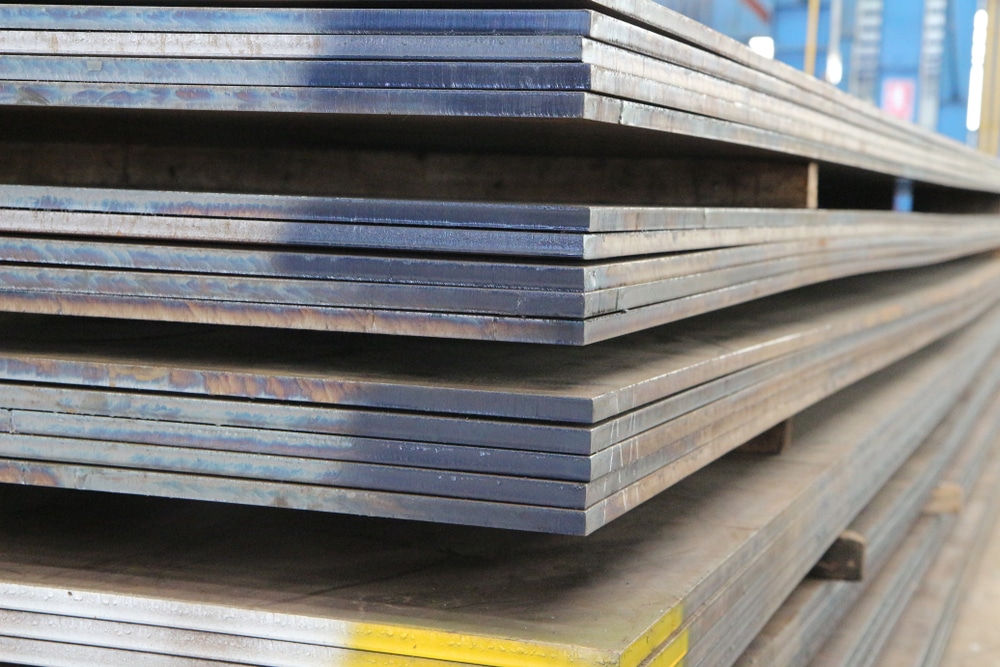
Bundling: Finished plates are stacked, bundled, and labeled according to specifications for easy transport and storage. The plates are typically packaged for delivery to construction sites, manufacturers, or warehouses. Shipping: The packaged plates are then shipped to their final destination, where they will be used in various industries such as construction, shipbuilding, automotive, and heavy machinery manufacturing.
Previous
Next