• info@alshakersteel.com
  • +201094746718

Equal angle Steel

Equal Angle Steel

Equal Angle Steel: Balanced Strength for Every Structure

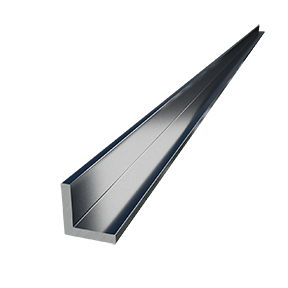
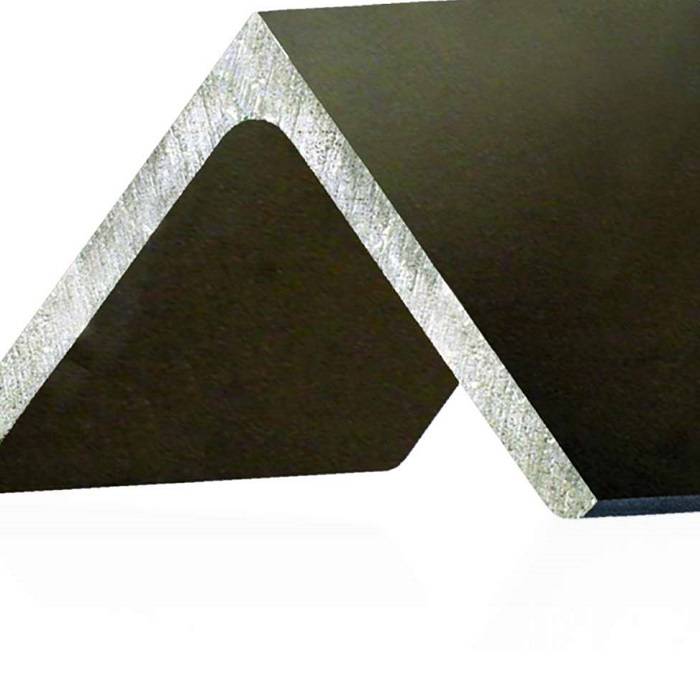
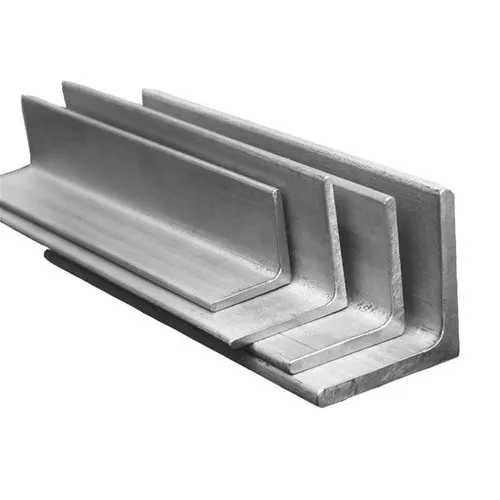
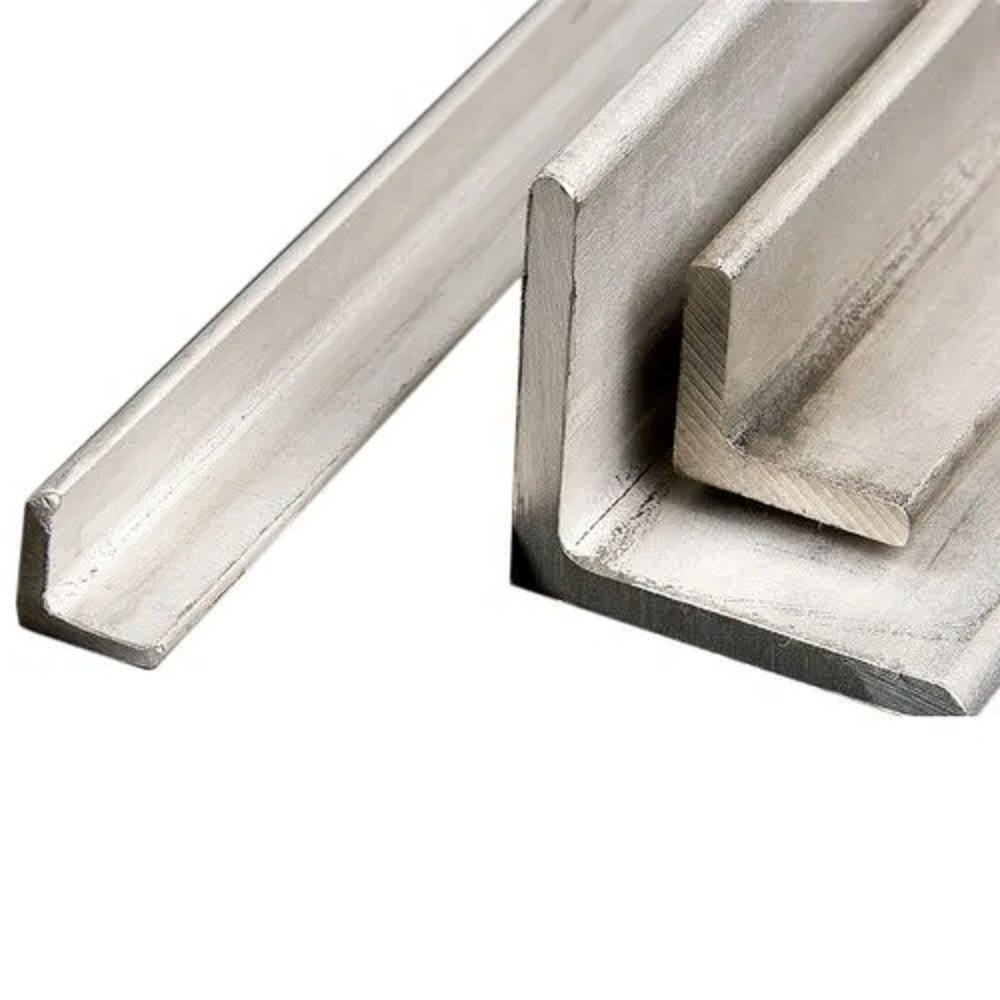
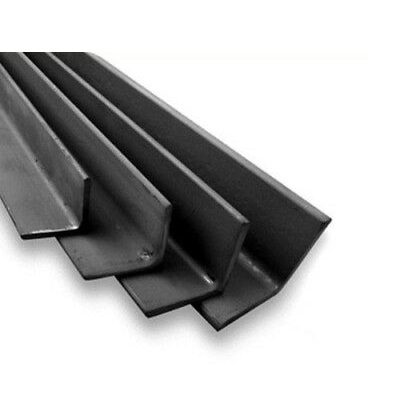
Equal Angle Steel, available in sizes such as 90, 120, and 150, is a versatile and reliable structural material known for its uniform dimensions and exceptional strength. With both legs of the angle being equal in length, it offers balanced support, making it ideal for a wide range of applications in construction, manufacturing, and infrastructure projects. These angles are commonly used in framing, braces, and supports, where stability and load distribution are key. Equal Angle Steel’s high tensile strength ensures that it can withstand heavy loads and harsh environments, making it a preferred choice for building frames, bridges, and heavy-duty industrial structures. Its easy fabrication and cost-effectiveness also contribute to its widespread use across various industries.
Galary for Equal Angle Steel

Equal Angle Steel

Equal Angle Steel: Balanced Strength for Every Structure

Steps to create Equal Angle Steel

Raw Material Preparation
Steelmaking: The process starts with producing steel from raw materials like iron ore, coke, and limestone in a blast furnace or using recycled scrap in an electric arc furnace (EAF). Refining: The molten steel is refined by removing impurities and adjusting the composition to achieve the desired chemical properties and strength.
Casting
Continuous Casting: The molten steel is cast into semi-finished forms like billets or blooms, which are further processed to create the final angle shape.
Heating
Reheating Furnace: The steel billets or blooms are heated in a furnace to make them malleable and ready for shaping. This heat treatment is crucial for the rolling process.
Hot Rolling
Rough Rolling: The heated billets are passed through rough rolling mills to reduce their size and prepare them for further shaping into angles. Shape Rolling: The steel is then passed through specialized rolling mills with precisely shaped grooves to form the equal legs of the angle. The steel is rolled into an "L" shape with equal-length legs, ensuring uniformity and strength. Dimension Control: During the rolling process, the steel is controlled to ensure it meets the required dimensions, such as leg length and thickness.
Cooling
Controlled Cooling: The rolled Equal Angle Steel is cooled in a controlled environment to prevent distortion and ensure the material achieves its desired mechanical properties
Cutting to Length
Automated Cutting: The cooled angle steel is cut to the required lengths using automated saws or shearing machines, based on customer specifications or industry standards.
Straightening
Straightening Machine: To ensure the angles are free from any distortions that may have occurred during the rolling process, they are passed through a straightening machine that ensures proper alignment.
Quality Control
Dimensional Inspection: The Equal Angle Steel is inspected for precise measurements, including leg length, thickness, and overall size. Mechanical Testing: Samples are often tested for tensile strength, yield strength, and other mechanical properties to ensure they meet quality standards. Surface Inspection: The surface is checked for any defects like cracks, scale, or irregularities that could affect the performance or appearance of the steel.
Surface Treatment (Optional)
Galvanizing: For additional corrosion resistance, the angle steel may undergo hot-dip galvanizing, where a zinc coating is applied to the surface. Painting or Coating: The steel may also be painted or coated to improve durability or meet specific aesthetic or functional requirements.
Packaging and Shipping
Bundling: Finished Equal Angle Steel is bundled according to size and order specifications for easy handling and transportation. Labeling and Distribution: The bundles are labeled with important specifications like size, grade, and weight before being shipped to warehouses, construction sites, or other industries.
Previous
Next