

Upn Steel
Upn Steel
UPN Steel: Strength That Shapes Every Structure
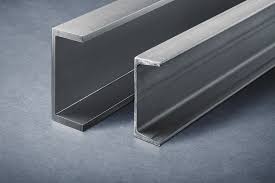
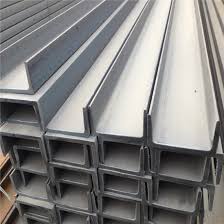
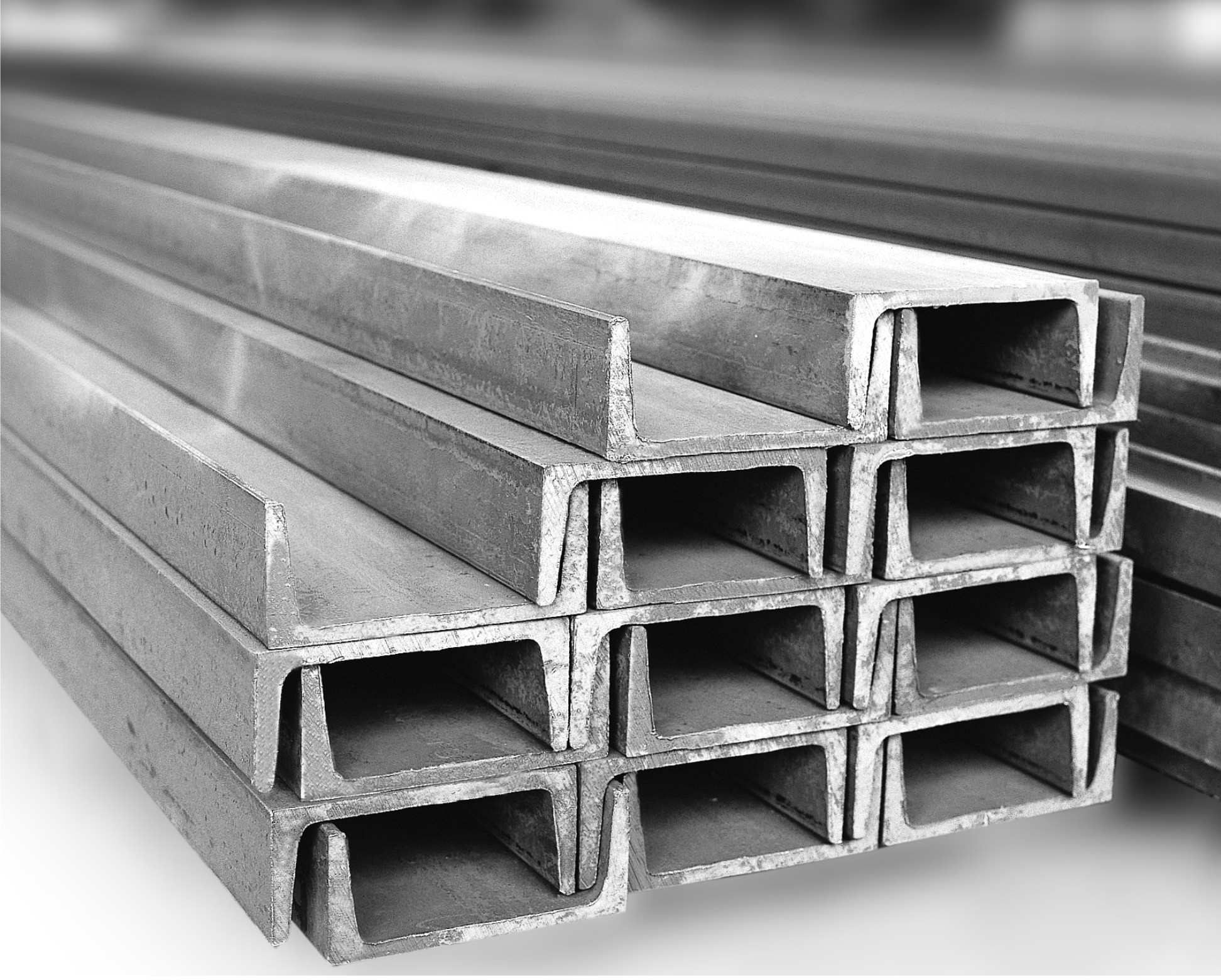
UPN Steel, also known as U-channel steel or Parallel Flange Channel (PFC), is a versatile structural component widely used in construction and engineering projects. Its unique U-shaped cross-section with parallel flanges provides excellent load-bearing capacity and stability, making it ideal for applications such as frameworks, supports, and reinforcements. UPN Steel is known for its high strength-to-weight ratio, durability, and ease of fabrication, enabling it to withstand heavy loads and challenging environmental conditions. Available in various sizes and grades, UPN Steel offers flexibility and reliability, ensuring it meets the demands of diverse industries, from construction to manufacturing and transportation. UPN Steel is offered in sizes ranging from 80 to 300 (UPN 80, 100, 120, 140, 160, 180, 200, 220, 240, 260, 300), making it suitable for a wide range of structural and engineering applications.

Galary for Upn Steel
Upn Steel
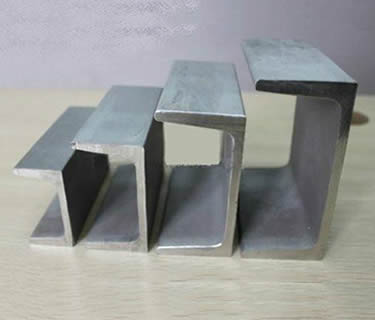
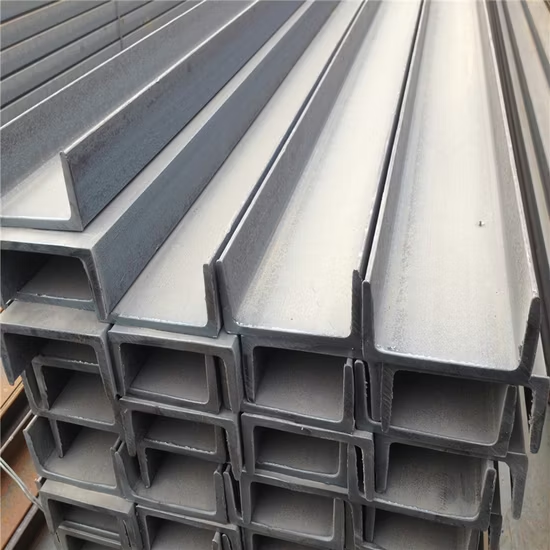
UPN Steel: Strength That Shapes Every Structure
Steps to create Upn Steel
Raw Material Preparation
Steelmaking: The process begins with the production of steel using raw materials such as iron ore, coke, and limestone in a blast furnace or recycled scrap steel in an electric arc furnace (EAF).
Refining: The molten steel is refined to remove impurities and achieve the desired chemical composition, including the addition of alloying elements to enhance properties like strength and durability.
Casting
Continuous Casting: The refined steel is cast into semi-finished forms such as billets or blooms, which serve as the starting material for rolling.
Heating
Reheating Furnace: The billets or blooms are reheated in a furnace to a temperature suitable for rolling. This makes the steel malleable for shaping.
Rolling
Rough Rolling: The heated steel passes through rough rolling mills to reduce its size and prepare it for the final shaping process.
Shape Rolling: Specialized rolling mills with shaped grooves gradually form the steel into its characteristic U-channel cross-section. Rollers are designed to produce precise dimensions and uniformity in the flanges and web of the channel.
Cooling
Controlled Cooling: The formed UPN steel is cooled in a controlled environment to ensure uniform microstructure and prevent defects. Cooling is typically done on a conveyor or in open air.
Cutting to Length
Automated Cutting: After cooling, the UPN Steel sections are cut to standard or custom lengths using automated saws or shearing machines.
Straightening
Straightening Machine: The UPN Steel channels are passed through a straightening machine to correct any distortions caused during rolling or cooling, ensuring precise alignment and uniformity.
Surface Treatment (Optional)
Galvanizing: For improved corrosion resistance, the UPN Steel may be hot-dip galvanized with a zinc coating.
Painting or Coating: A protective paint or coating can be applied to enhance durability and provide aesthetic appeal.
Quality Control
Dimensional Inspection: The dimensions of the U-channel, including flange width, web thickness, and length, are checked for accuracy.
Load Testing: Samples may undergo testing to ensure the steel meets required mechanical properties such as tensile strength and load-bearing capacity.
Surface Inspection: The surface is checked for defects such as cracks, unevenness, or irregularities.
Packaging and Shipping
Bundling: Finished UPN Steel sections are bundled together for ease of transport and handling.
Labeling and Distribution: The bundles are labeled with specifications like size, grade, and length, then shipped to construction sites, distributors, or manufacturers.
Previous
Next